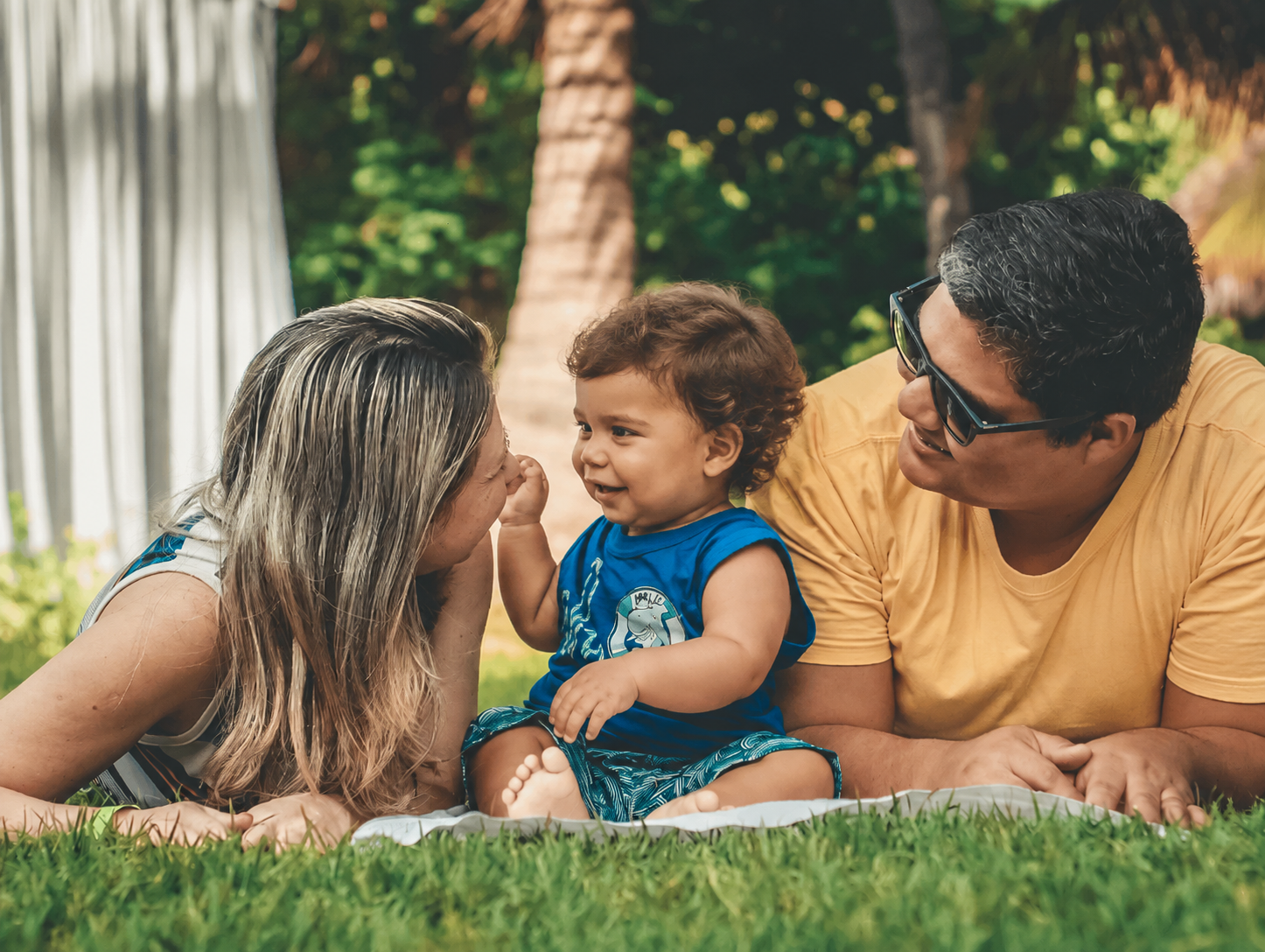
At Barnakademin, we have spent more than a decade working with multilingual families. Through these relationships, we have seen how parents make room for different languages in everyday life—and how challenging that can sometimes feel.
Raising a child with two languages can be a wonderful way to share your culture, strengthen family connections and keep traditions alive. But it can also bring questions: What if my child always answers in the other language? Should I correct mistakes? Are we doing enough?
These seven habits offer practical ways to make both languages a natural, enjoyable part of your child’s world.
1. Be patient and notice the small steps
When your child answers in a different language or struggles to find a word, give them time and keep the conversation going. Show interest in what they are telling you, without expecting perfect sentences.Notice the small steps: joining in with a song, understanding a grandparent’s question or using a new word during play. Appreciate these moments without setting a deadline for the next milestone. Your child should feel comfortable trying, making mistakes and asking for help.
2. Be consistent, but flexible
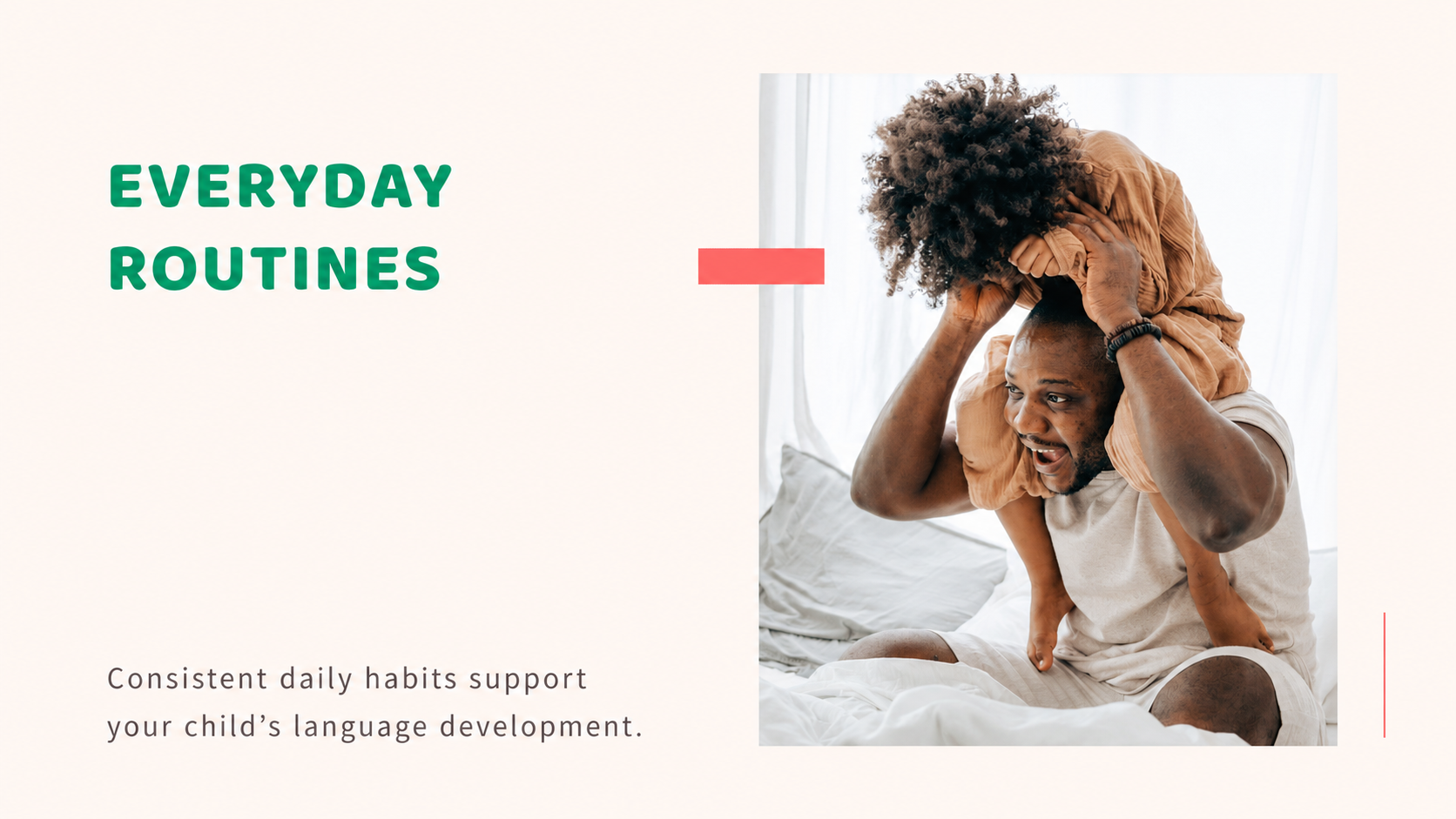
Some families choose “one parent, one language”. Others speak their home language together while their child uses another at preschool or school. Choose an approach that fits your family and create regular opportunities to use each language.Simple routines help: a bedtime story, songs on the way to preschool or conversations over breakfast.
If your child mixes languages, there is no need to correct every word. This is a normal part of multilingual development. You can gently include the missing word in your reply and continue the conversation. American Academy of Pediatrics
3. Offer encouragement
Show your child that you enjoy speaking your language together. A warm response, a shared laugh or a follow-up question makes the exchange meaningful.When you give praise, keep it specific: “Grandma loved hearing about your day!” This connects language with something your child cares about.
Avoid turning conversations into tests or asking older siblings to monitor mistakes. Listen to what your child wants to share and offer words naturally when they need help.
4. Talk about everyday things
Getting dressed, cooking dinner and walking to the playground all offer opportunities to talk. Describe what you are doing, follow your child’s interests and leave time for them to respond.With younger children, keep it simple: “Here are your socks. Shall we find your shoes?” With older children, invite their ideas: “What should we take on our picnic?”
Reading together is another lovely habit. Talk about the pictures, guess what happens next or let your child tell their own version of the story.
5. Make it fun
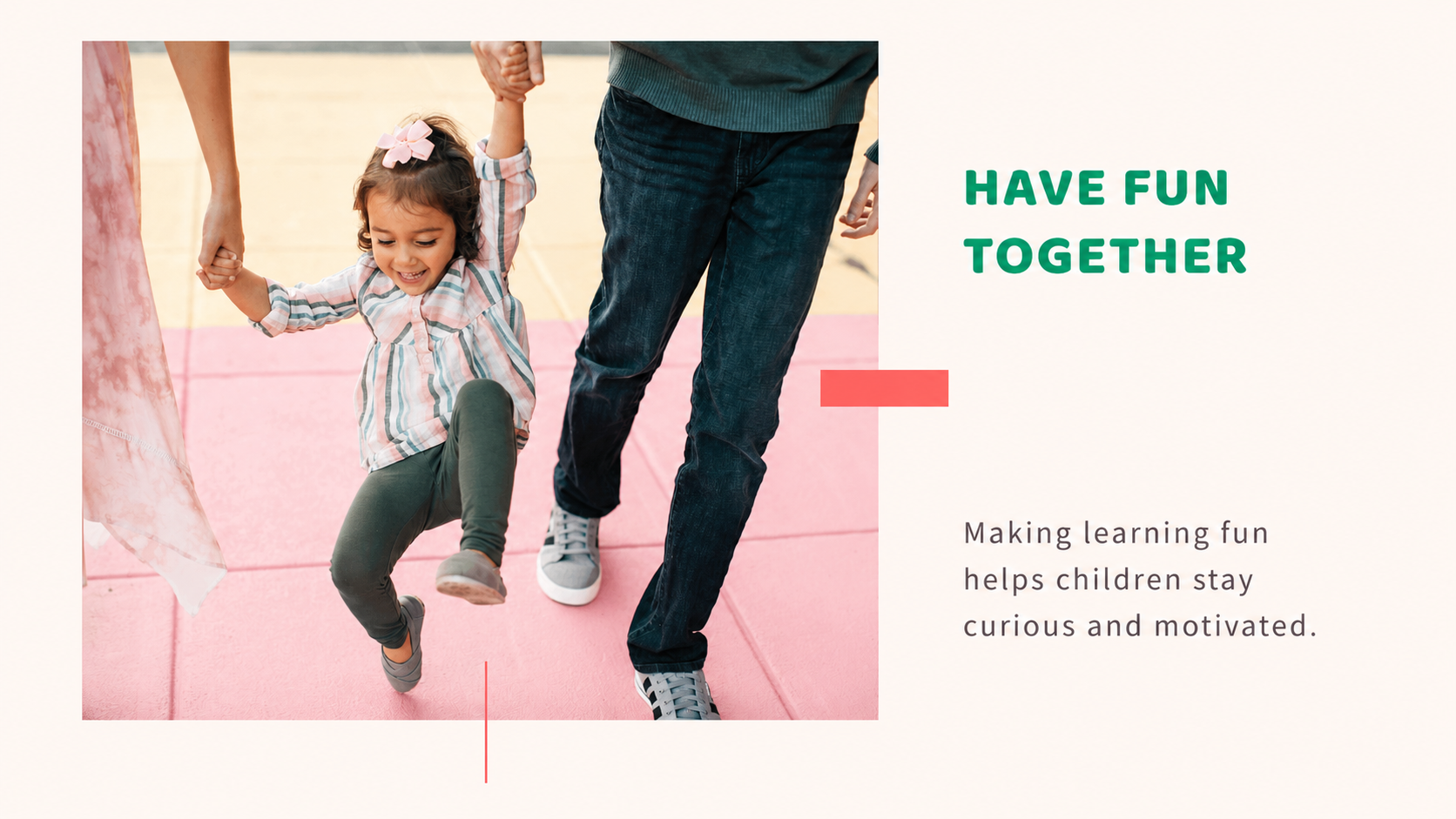
Bring the language into activities your child already enjoys. Play a favourite game, sing with actions, cook together or set up a pretend shop.A puppet that asks silly questions or a teddy bear that orders “soup with socks” can give your child a playful reason to join in.
Use the language naturally during the activity and help with unfamiliar words when needed. Keep the focus on enjoying your time together, without requiring your child to repeat or translate everything.
6. Connect with family and culture
Visiting a country where your family’s language is spoken gives your child opportunities to use it beyond home—with relatives, other children and people they meet.When travel is not possible, keep those connections alive through video calls, stories, songs and family traditions. Give conversations with relatives a simple focus: showing a drawing, introducing a favourite toy or making a family recipe together.
These shared experiences give your child personal reasons to use the language and feel connected to it.
7. Introduce other people who speak the language
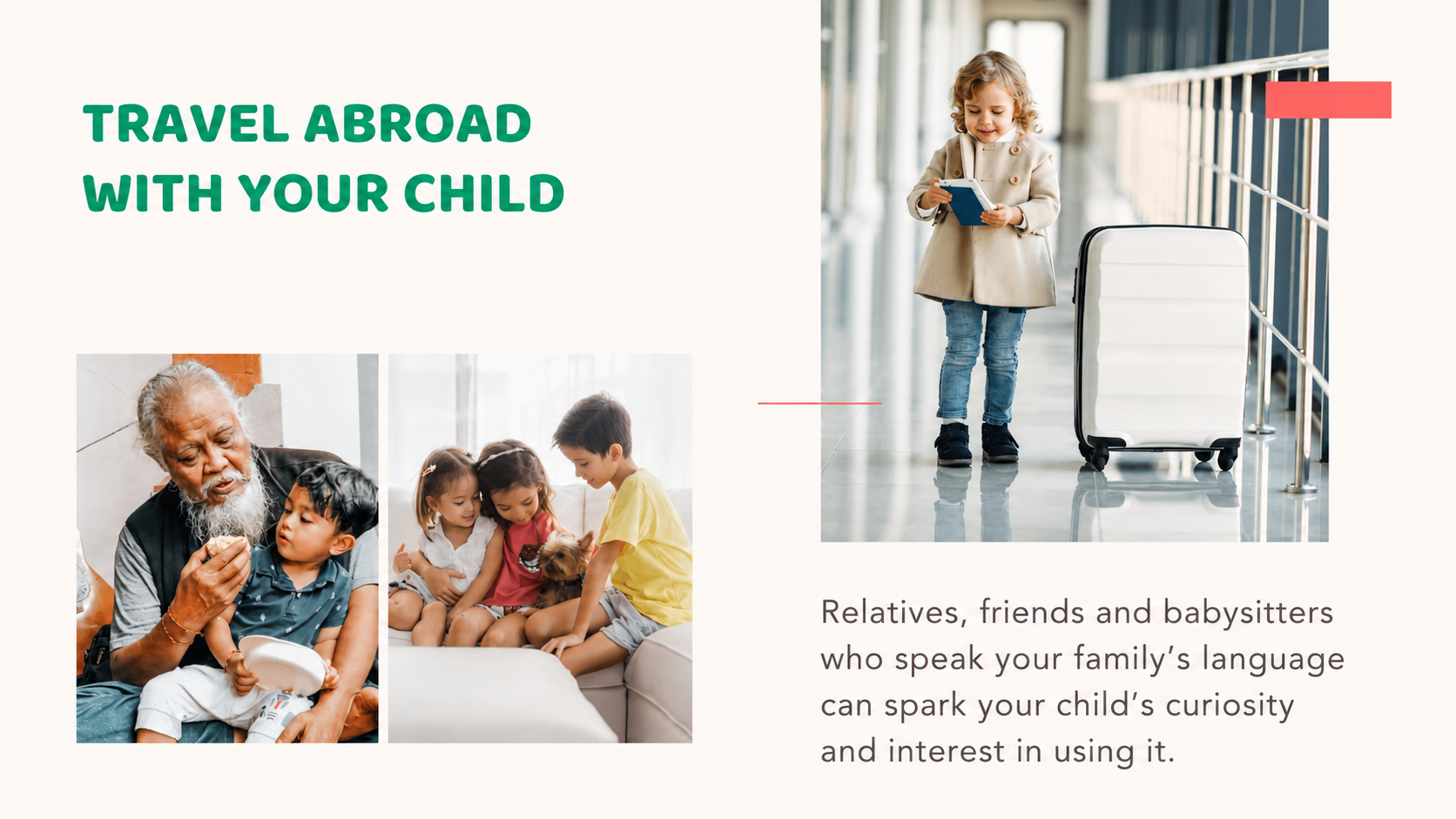
Help your child discover that the language belongs to a wider community. Meet friends who speak it, join a playgroup or explore local cultural activities.A bilingual babysitter can also make the language part of your child’s everyday life. Reading, playing and preparing a snack together create relaxed opportunities for conversation. Look for someone who connects with your child and follows their interests, so speaking the language feels natural.
At Barnakademin, we help families find bilingual babysitters who combine caring childcare with opportunities to use another language through play and everyday conversation.
Start with a few habits that fit your family’s routine. You do not need to make every moment a lesson—leave plenty of room for stories, laughter and simply enjoying each other’s company.
Looking for a bilingual babysitter? Find out how Barnakademin can help your family.

Skicka oss ett mejl om du behöver hjälp med barnvakt! Eller ring oss på 0851783143